● The Story
Premise
“Death with Dignity”. The route 18-year-old terminally ill Hope (our lead) has chosen for herself. But Hope decides not to tell anyone about it. Not her friends. Not her checked-out dad. And especially not her mother, who is blind to Hope and sees nothing but a disease to cure. Hope’s mother has gone to great lengths to find that cure, too. Experimental drugs. Homeopathy. Even fundamentalist religion. But Hope has a different plan: her Fuck-It List.
Want to see the pitch deck? Check it out here.

● The Main Character
Hope
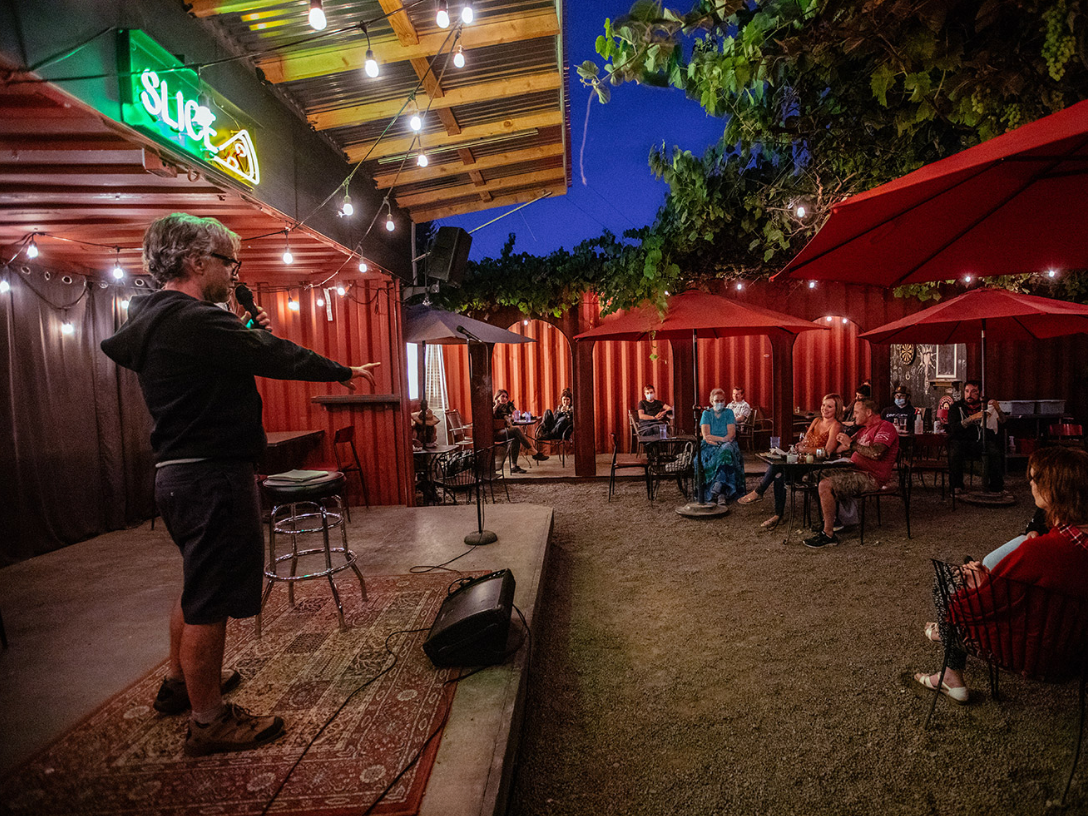
Her lifelong ambition is to become a stand-up comedian. She loves cheesy popsicle jokes, but she’s not afraid to be rated M.A. She genuinely loves to make people laugh, so she tries to make a joke out of everything. To the right person, she can be funny, however most people find her utterly unfunny. Since she's getting closer to her death, though, she's more serious. Introspective. She’ll still make jokes, but it’s less about making people laugh and more about masking her tangled up emotions. She has a strong sense of justice, and is regretful that she didn't do more for the world before leaving it. She’s also an avid listener (maybe the only listener in the world) of the “Your Death” podcast.
● Tone & Style
“Paddleton” Meets
“The Big Sick”
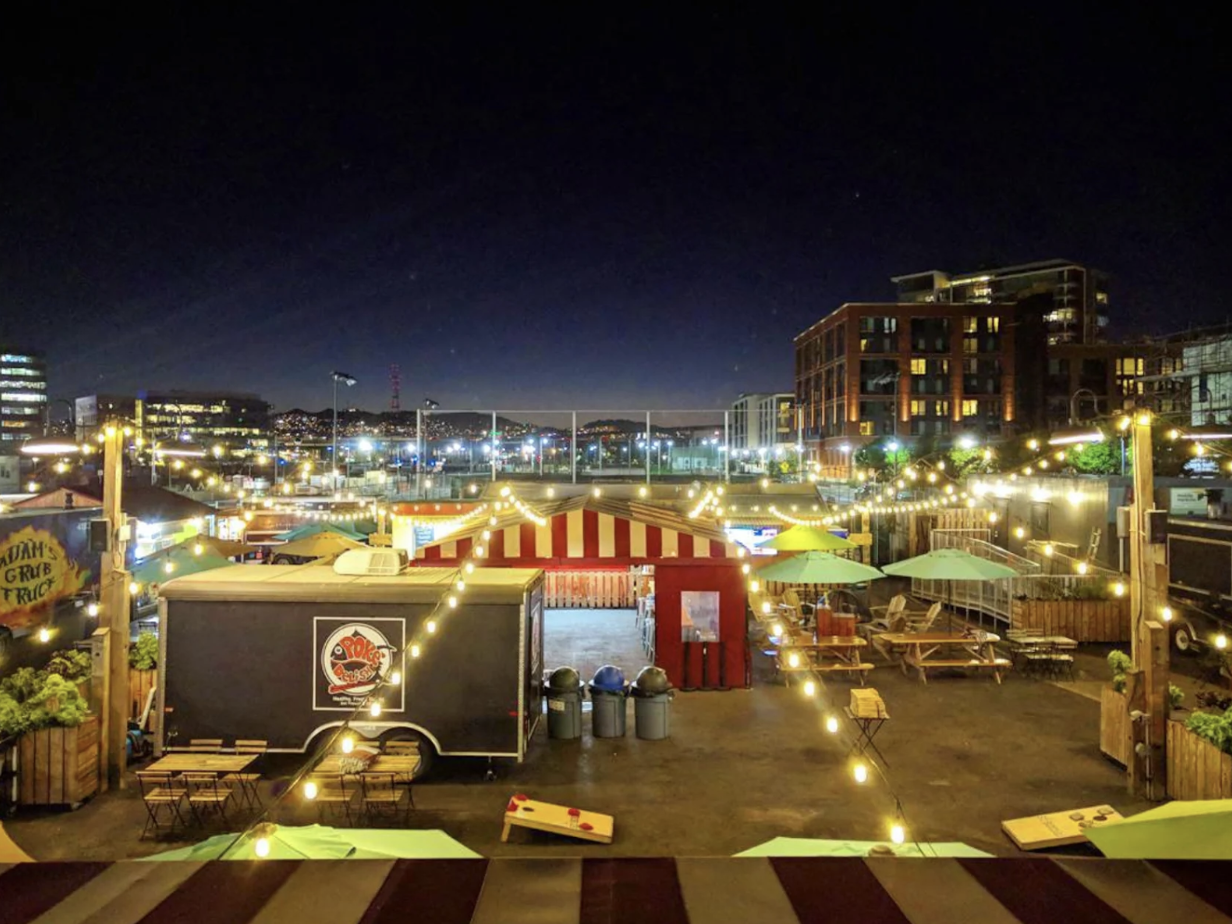
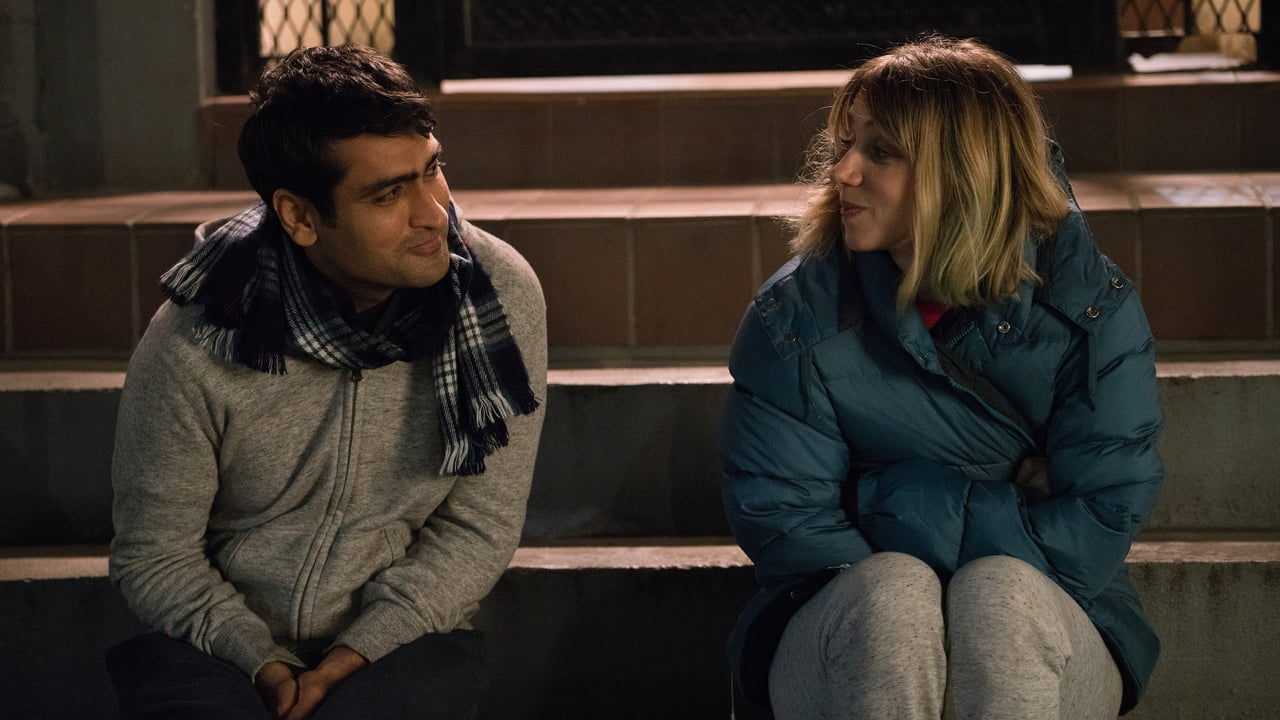
Tonally, Hope Dying is a mix of The Big Sick, and the lesser-known, yet brilliant, Paddleton. Like both of these films, Hope Dying is at times funny and irreverant, but it’s also very quiet and somber throughout, and it never lets the audience forget the seriousness of the weight these characters carry. The audience should also feel a sense of yearning and regret through Hope as she contemplates how she lived her life and how she will finish it.
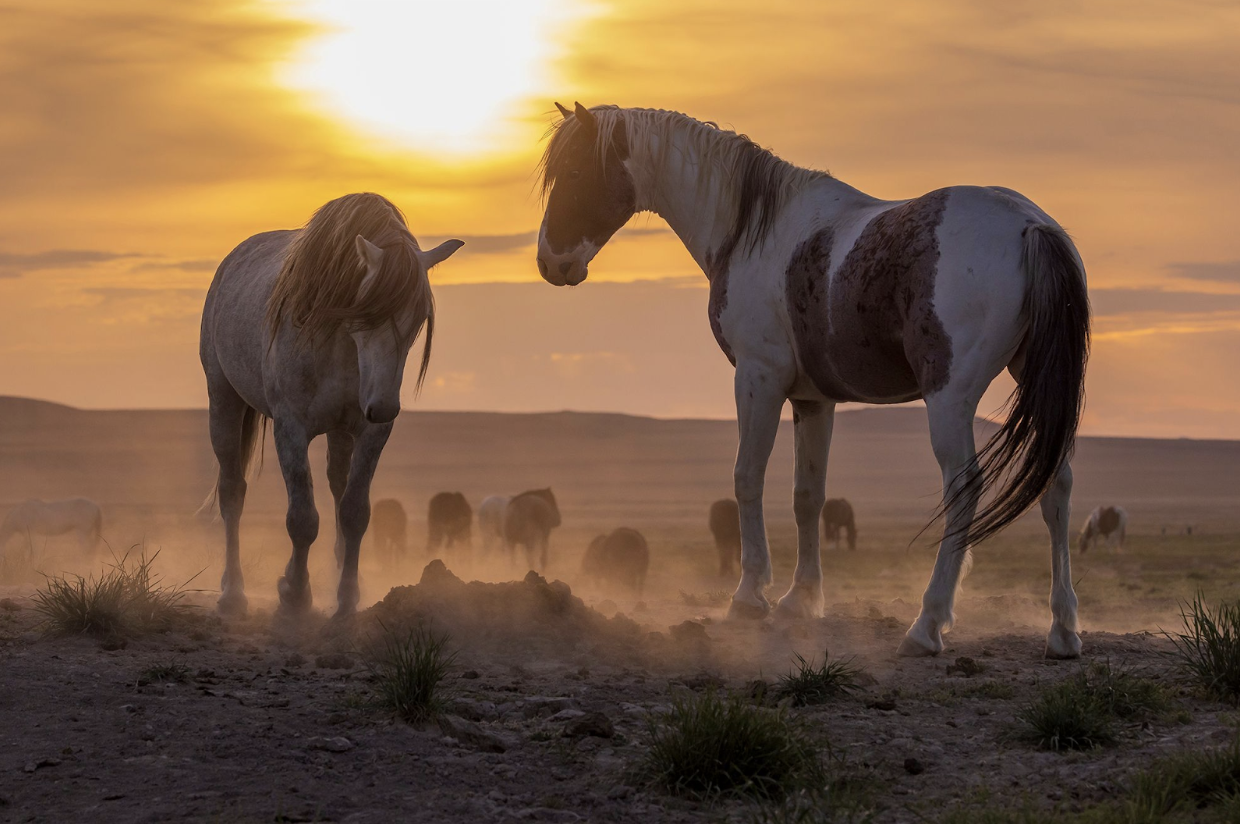
“Why can’t all the horses be free?” —Hope
Accolades
Official Selection: Beverly Hills Film Festival 2026
Semi-Finalist: Emerging Screenwriters Screenplay Competition 2026
Finalist: Los Angeles International Screenplay Awards Diversity Initiative 2025
Semi-Finalist: San Francisco Independent Film Festival Screenplay Competition 2025

● Contact